Kern County Water Agency · Division 2 · 2026

The Kern River deserves a voice on the board — not just an adversary in court.

I've spent my career on the Kern River. I've seen what our water decisions do downstream, upstream, and to the people who depend on this river to live, work, and stay safe. It's time the water agency worked with the river — and with the public — instead of around them.

📷 Hero Portrait Daneya on the river — action shot or confident portrait (portrait orientation, 4:5)
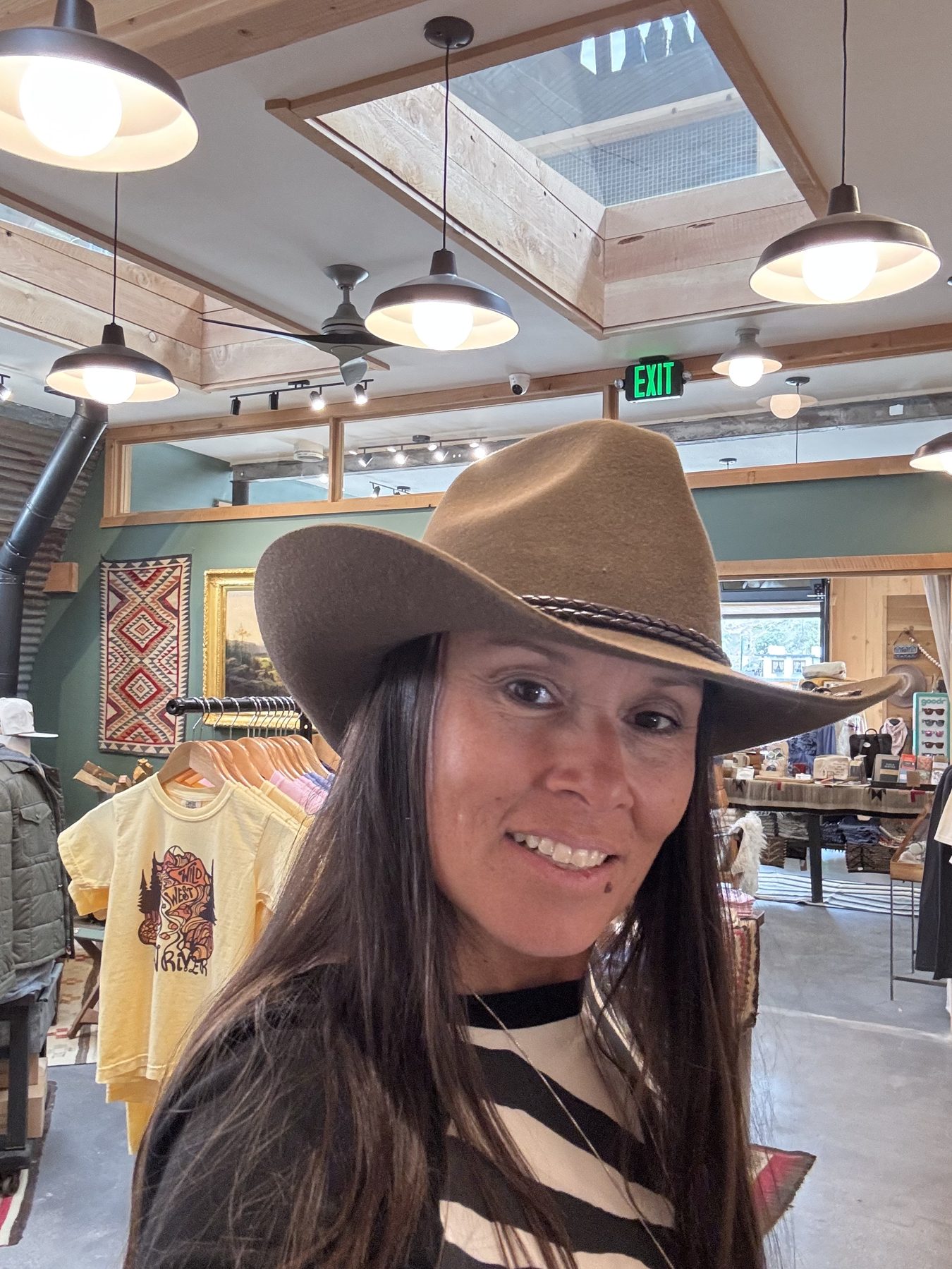
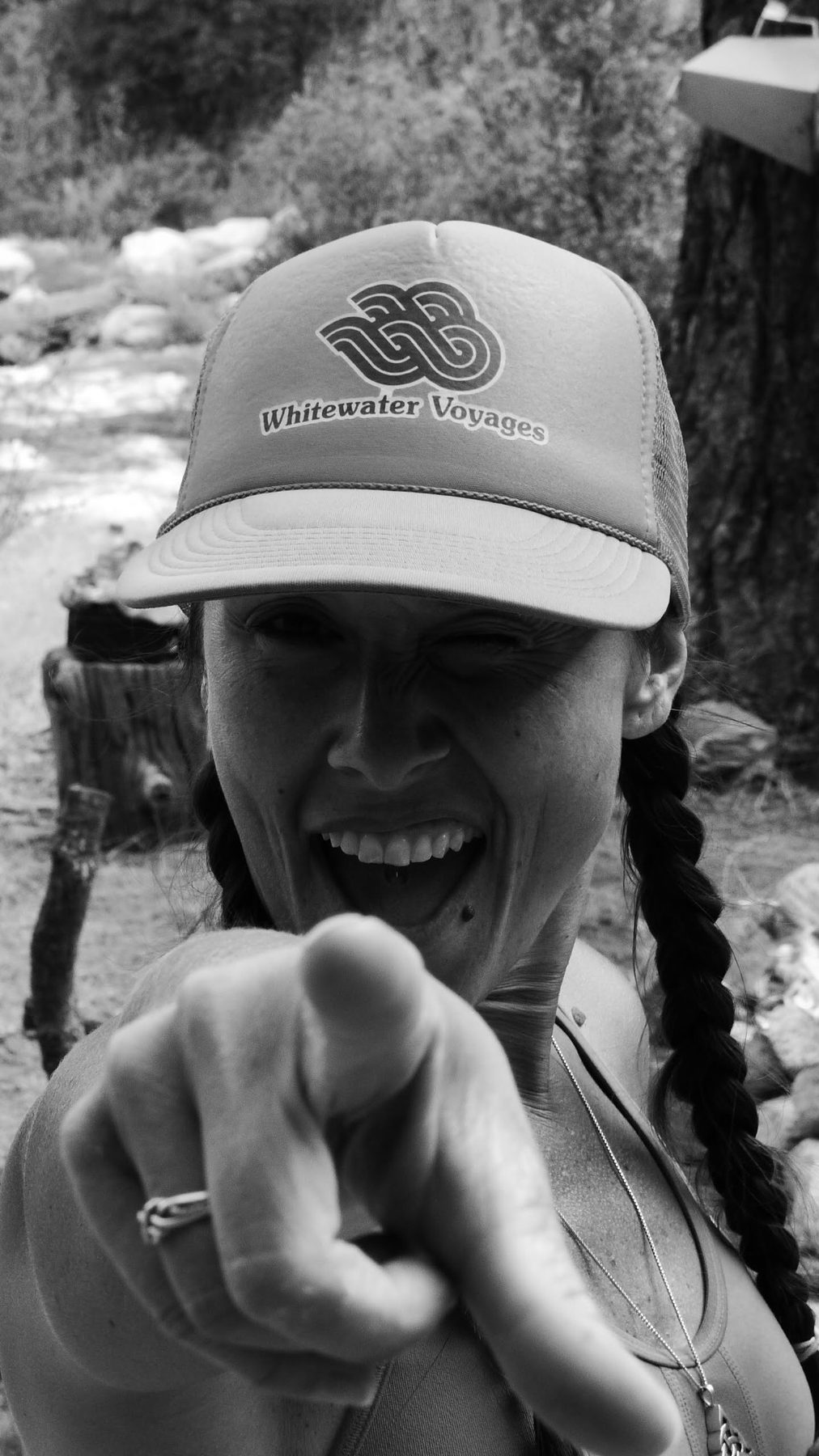
Daneya Williams — River guide, manager & Kern County advocate
Division 2
Kern River Valley & East Kern communities, including Tehachapi
Nov 3, 2026
Election day
Our Water
Our most precious public resource — shared by farms, cities, recreation & wildlife
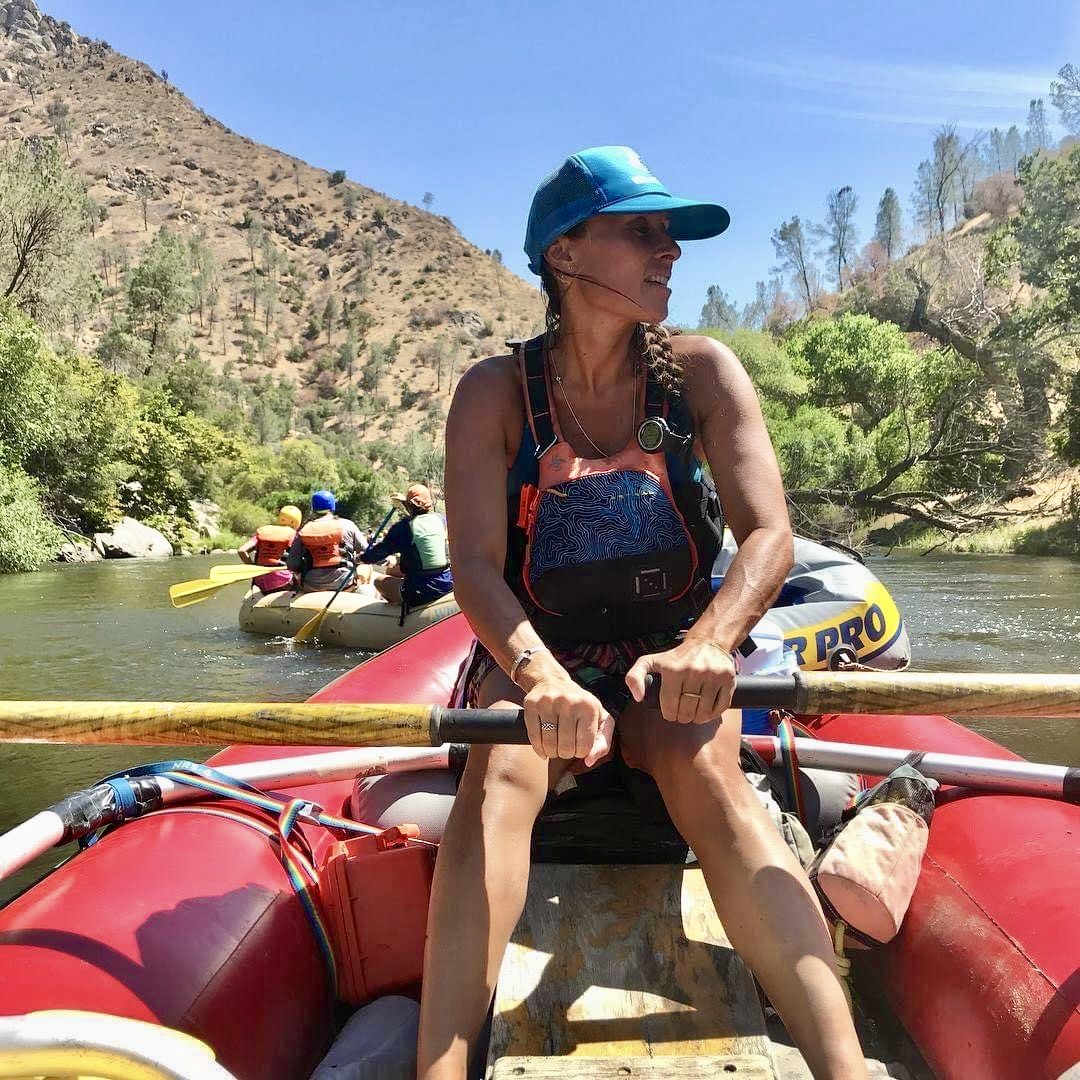
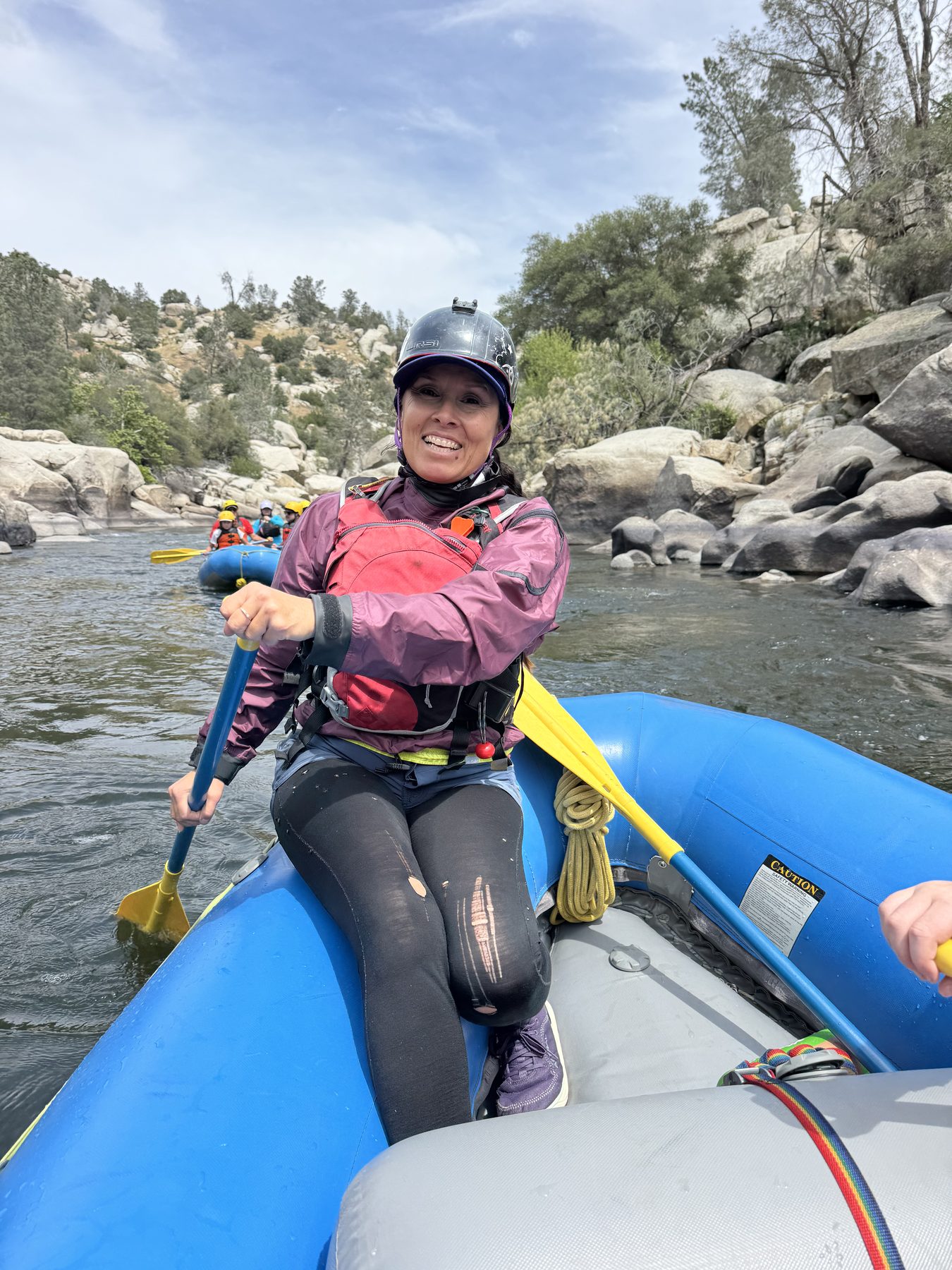
📷 Daneya on the Kern Guiding / rafting photo — on the water, in gear (portrait, 3:4)
Why I'm Running

I didn't come to water policy through a boardroom. I came to it through the river itself.

As the general manager and a Class IV guide with Whitewater Voyages, the Kern River isn't an abstraction to me — it's where I work, where I've built a career, and where I've watched thousands of visitors experience one of Kern County's greatest natural treasures. I know this river's moods, its currents, and its seasons better than almost anyone.

But I'm not only a river guide. I've spent more than two decades in management — building businesses from the ground up, running large operations with millions in sales and over a hundred employees, handling budgets, accounting, and the hard operational decisions that come with real responsibility. I know how to read a balance sheet, hold an organization accountable, and ask the pointed questions that too often go unasked. That's exactly the kind of scrutiny a powerful public agency needs on its board.

That vantage point taught me something that isn't obvious from a conference room in Bakersfield: the decisions made about Kern River water ripple in every direction. They shape whether the river flows through our county's largest city, Bakersfield. They shape the wildlife and habitat that depend on the river. They shape the safety of the people recreating below Isabella. And too often, they're made without the people most affected ever being told what's coming.

It has also created a broken relationship between the people of the San Joaquin Valley floor and the Kern River itself. When the river rarely flows through Bakersfield, many residents never get to see it or experience it — and come to think of it only as a distant hazard rather than the living resource and shared inheritance it should be.

I'm running because I believe the Kern County Water Agency can do this better — by respecting the river, communicating honestly with the public, and remembering that it answers to every voter in this county, and is funded by every property owner in this county — not only agricultural interests.
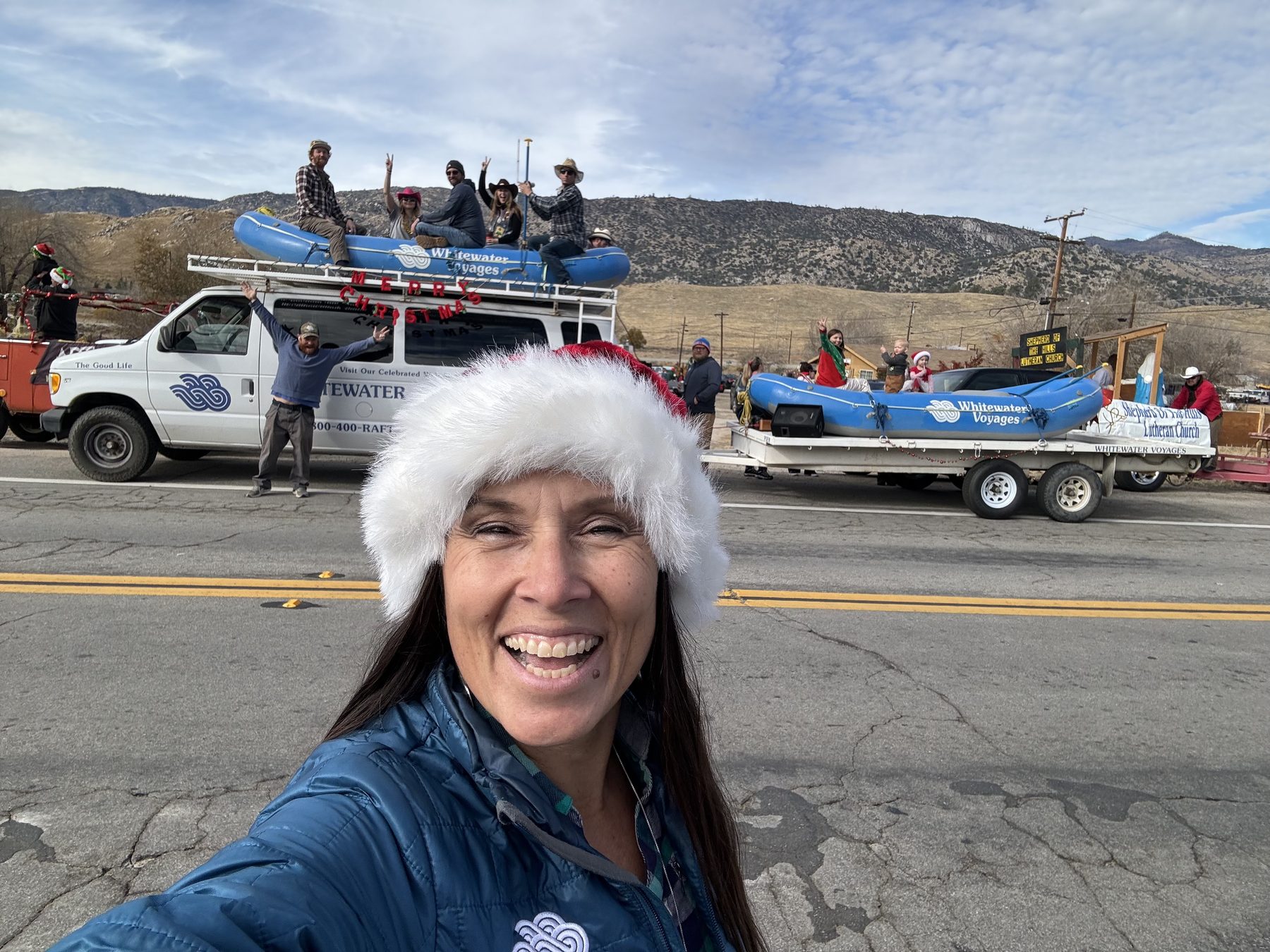
Daneya Williams
Candidate, KCWA Board · Division 2
The Platform

Five commitments for a water agency
that works for everyone.

KCWA has historically done a good job at its core mission: delivering State Water Project water to Kern County and building the infrastructure to move it. It already has the ability to convene stakeholders and catalyze big projects — but for too long it has done that work mostly for agricultural interests. And Division 2 is split: communities like Tehachapi, Mojave, and California City receive State Water Project water, while the Kern River Valley and Ridgecrest don't. The constituents who fund this agency — all of them — deserve a KCWA that gets more innovative: one that finds ways to make water a broader benefit to everyone in Division 2, not just the districts at the front of the line. My platform points to several creative ways this agency could do more for the greater Kern community.

01

Respect the river — and help others do the same

Let's be honest about what the agency can and can't do: KCWA doesn't hold rights to most of the Kern River's water — those belong largely to other districts and users. But that's exactly why its posture matters. Instead of spending public resources resisting efforts to keep water flowing through Bakersfield, KCWA should use its size and influence to convene the parties who do control the water and help broker better outcomes. As a body funded by every property owner in Kern County, it has no business fighting what should be a shared goal. Its role should be neutral at worst and collaborative at best — bringing agricultural, urban, and recreational interests together toward flow solutions that work for everyone, rather than lining up against the river's own community.

02

Account for downstream and upstream uses

Kern River water serves farms, serves cities, serves the water needs of the Kern River Valley itself, and serves the tens of thousands of people who recreate on the river every year. Good water management doesn't pretend only one of those matters. I'll push the agency to genuinely weigh downstream uses — including a living river in Bakersfield — alongside the upstream water needs of Kern River Valley communities, and to treat recreation and public access as legitimate stakes, not afterthoughts.

Here's a practical example of the kind of coordination I want KCWA to help lead. In dry years, much of the summer sees Kern River flows drop below the level whitewater outfitters need to run good trips — which hurts the recreation economy that so much of the Kern River Valley depends on. Releases from Isabella are often held at a near-steady rate for days or weeks at a time. There may be room, in coordination with the water districts, the City of Bakersfield, and the dam operators, to shape some of those releases differently — concentrating slightly higher pulses into weekends, when recreational demand peaks, while delivering the same total volume of irrigation water downstream over the season.

I want to be careful not to make this sound simple. Release schedules are governed by real constraints — water rights, flood-control rules, channel capacity, downstream delivery obligations, and the operational limits of the dam itself — and any change would have to respect all of them. But that difficulty is exactly the argument for KCWA stepping up — not just as a convener bringing every stakeholder to the table to look for win-win adjustments that cost no one their water, but as a catalyst that can pursue outside grant funding to properly study pulse-release options and prove out what's actually possible. This is fundamentally a scarcity problem. In our driest years, when the supply is smallest, we should be working hardest together to get the most value out of every acre-foot — for irrigation and for the recreation economy alike.

That balance applies to State Water Project water too — the supply delivered to the Kern Water Bank and to KCWA's member agencies. Before we commit water to consumptive uses, we should be asking how well we've accounted for non-consumptive ones: wildlife habitat, ecosystem health, and recreation. Those uses aren't luxuries to be funded with whatever's left over. They deserve to be part of the plan from the start.

There's precedent for this. When the state built water infrastructure like the California Aqueduct, it was required to include a public recreational component — fishing access along the very waterway that moves the water. Yet the Cross Valley Canal, operated by KCWA, offers the public nothing of the kind. If the state builds public benefit into its water infrastructure, why shouldn't a canal owned by a public agency — one accountable to every Kern County voter — do the same? To be clear, this is no substitute for the fishing and river access that ought to exist on the Kern River in Bakersfield. It's an additional public benefit the public has every right to expect from infrastructure it ultimately owns.

03

Educate the public — and make the river's flows visible

Water is the most important resource in Kern County, and yet most residents have little understanding of how it's managed, who controls it, or what's happening to it. KCWA should be a proactive educator — helping the public genuinely understand the water system they depend on, rather than leaving them in the dark until a decision is already made.

A concrete place to start: the Kern River's own flows. Water districts control when and how much water moves down the Kern, and those decisions have real consequences for anyone near the river — yet the public is rarely told what's coming. I'll push for clear, advance visibility into planned flow changes, so families, businesses, and recreation providers can plan for both safety and access. Information about the river shouldn't be a courtesy extended to insiders. It should be a public service.

04

Protect groundwater in East Kern and the high desert

Division 2 reaches well beyond the river, into East Kern and the Mojave — communities that face a very different water reality. Unlike the San Joaquin Valley floor, this region doesn't have the deep groundwater reserves, the surface water, or the natural rivers for recharge that would give it much margin for heavy demand. Its capacity to absorb that kind of pressure is far smaller — yet unsustainable farming operations and proposed data centers threaten to draw down aquifers that simply cannot support them.

KCWA can help here by coordinating with the local water districts in East Kern to plan for sustainable use and shared solutions, rather than leaving these communities to face the pressure alone. I'll advocate for genuine groundwater sustainability across East Kern and the high desert, and for the disadvantaged communities in Division 2 whose drinking water and future depend on getting this right. Water that can't be replaced shouldn't be spent as if it can.

05

Make the agency more accessible to constituents

An agency this powerful should be easy for the public to see into and participate in — and right now, it isn't. That means holding meetings at times working people can actually attend, making candidate and election information genuinely accessible to anyone who wants to run, ending the practice of insiders being appointed into seats and holding them indefinitely, and demanding real transparency and accountability on major hiring and financial decisions. Public power requires public accountability.

Case in Point

The Kern River Parkway wells: a promise the public paid for

Here's a concrete example of why accountability matters. Around two decades ago, KCWA received tens of millions of dollars in state bond money — public funds — tied to restoring flows in the Kern River through Bakersfield. Wells were built along the Kern River Parkway as part of that effort.

Those wells have never been used to restore the river. Instead, the water they pump has gone to serve the agency's contracted interests, and at times excess water was sold off rather than returned to the riverbed. The public funded a promise that still hasn't been kept.

This is exactly the kind of decision an engaged board and an informed public should be scrutinizing. When an agency takes public money for one purpose and uses it for another, someone should be asking why — out loud, in the open, on behalf of the people who paid for it.

A Safety Issue Nobody's Talking About

When we move the river's flows, we move its dangers too.

Here's something most people don't realize: the Kern River's flows below Isabella aren't natural anymore. Diverters shift the timing of the water — holding flows back and pushing them later into the summer to serve agriculture. That's a choice, and it has consequences.

When high water arrives later in the season than nature intended, visitors encounter currents far stronger and more dangerous than the river would naturally carry at that time. People come to a river that looks calm on the calendar and find one that isn't. We can't keep pretending that engineered flow timing has no impact on public safety.

I want to be clear: those higher, later flows are a genuine benefit for some kinds of recreation — including the whitewater rafting I've built my life around, which depends on strong water. That's a good thing, and I'm not asking anyone to give it up. But a benefit for one group can be a hazard for another, and the entities that engineer these flows for their own purposes should share responsibility for mitigating the risks that come with them — through warnings, education, and safety infrastructure. If you're going to change the river, you own the consequences of changing it.

I don't say this lightly. I'm Swiftwater Rescue certified and Wilderness First Aid trained, and I've spent years responsible for keeping people safe on this river. I've seen what the Kern can do. These aren't abstract concerns to me — they're the reality of the water I work in.

This is a place where KCWA can be a catalyst, not just a critic. An agency of its size and reach is well positioned to pursue the outside grant funding that could actually build this out — from life jacket stations and hazard signage to a real-time flow and forecasting dashboard for the Lower Kern. These are the kinds of public-safety investments that grants exist to fund, and KCWA could help lead the effort to secure them.

1

The agency should factor downstream public safety into flow-timing decisions — not just agricultural convenience.

2

KCWA is positioned to support river safety education and clear public warnings about altered, artificially strong currents.

3

Advance notice of flow changes gives guides, families, and first responders the information they need to keep people safe.

4

Life jacket loaner stations and clear, specific signage about whitewater recreation and river hazards can prevent tragedies before they happen — simple, proven tools other river communities already use.

5

Real-time flow information posted at access points on the Lower Kern — through electronic signage where it's feasible, or links to a mobile-friendly page where there's signal — would let visitors know actual conditions in each section of the river, paired with safety guidance right on the page.

📷 River Safety / Rapids Whitewater, rapids below Isabella, or safety/rescue context (landscape, 4:3)
⚠ An urgent threat to the Kern

Keep golden mussels out of the Kern River and Lake Isabella.

Golden mussels — an invasive species that first reached California's Delta in 2024 — are spreading fast through the state's waterways. So far they haven't been found in Lake Isabella or the Kern River. Keeping it that way has to be a priority, because once they take hold, they're enormously destructive and nearly impossible to remove.

For a river like ours, the stakes are hard to overstate. These mussels clog canals, water treatment plants, and delivery infrastructure, and they can foul the ecosystem that makes the Kern what it is. If they reach Isabella, they could spread through the entire Kern River system — the same system that supplies drinking water and irrigation across the county.

KCWA has joined the regional "clean, drain, dry" awareness effort, and that's a good start. But awareness alone won't hold the line. I'll push the agency to do more: to help fund and staff real prevention infrastructure like watercraft inspection and decontamination stations at launch points, to pursue state and federal grant dollars for the fight, and to press hard for the coordinated, urgent response from the state that Kern County has so far not gotten. As someone who works on this river, I know what we stand to lose. Prevention is far cheaper than trying to claw the river back after an infestation — and far more likely to succeed.

📷 Lake Isabella / Kern River Isabella, a boat launch, or a clean-drain-dry / inspection image (portrait, 4:5)
Accountability

A public agency should act like one.

KCWA manages an enormous share of Kern County's water and money on behalf of every property owner here. The public deserves a seat at the table — and a clear view of what's happening at it.

Water is the foundation of our regional economy and our agriculture — I understand that deeply. And I believe that economy would be better served, not worse, if the public actually understood what KCWA does and could take part in the workings of this powerful agency. Transparency isn't opposed to prosperity. Informed communities and open institutions make better long-term decisions about the resource all of us depend on.

🕐

Meetings the public can actually attend

Board meetings held in the middle of a workday shut out the very residents the agency serves. Accessible meeting times — and meaningful ways to participate remotely — should be the baseline, not an afterthought.

🗳️

Elections that are easy to enter

Information about how to run for a KCWA seat should be easy to find and easy to act on. When the path to candidacy is obscure, only insiders walk it — and that's exactly the problem.

🔄

An end to the appointment carousel

Too often, directors leave early so allies can be appointed rather than elected — then run as incumbents. Seats on this board should be earned from the public, not handed around inside a closed circle.

💵

Accountability on the big decisions

Major hiring and spending decisions — including executive compensation — should be made in full public view, with clear justification. The public funds this agency; it has every right to scrutinize how those funds are used.

📷 Portrait / Community Approachable portrait or community/outdoor photo (square, 1:1)
About Daneya

Rooted in the river,
accountable to the county.

A working river guide and seasoned manager who knows this watershed from the water up — and believes Kern County's water future should be shaped in the open.

Profession
General Manager & Class IV whitewater guide, Whitewater Voyages (Kernville) — guiding the Kern since 2011
Leadership
20+ years managing operations — from building a retail business from the ground up to running stores with $5M+ in sales and 100+ employees. Budgets, accounting, HR, and vendor relations are second nature.
River Safety
Swiftwater Rescue certified · Wilderness First Aid · CPR/First Aid — hands-on training in exactly the risks her safety platform addresses
Running For
KCWA Board of Directors, Division 2
Focus
River health · groundwater sustainability · recreation & safety · public access to water & information · a more transparent, innovative agency
Get Involved

Water belongs to all of us.

The Kern River — and the water brought into Kern County from across the state — sustains our farms, our cities, our communities, and the wildlife and wild places that make this county worth living in. It's our most precious shared resource. We need a Kern County Water Agency that does a better job of managing all of it for the benefit of everyone, not just a few.

If you care about that future — whether you farm with this water, drink it, fish it, raft it, live over its aquifers in East Kern, or just want to see the river flow through Bakersfield again — this campaign is for you. Whether you want to volunteer, spread the word, or just ask a question, I'd love to hear from you. Fill out the form and it comes straight to me.

DivisionKCWA Division 2 — Kern River Valley & East Kern communities, including Tehachapi
ElectionNovember 3, 2026
ContactUse the form — messages go straight to Daneya